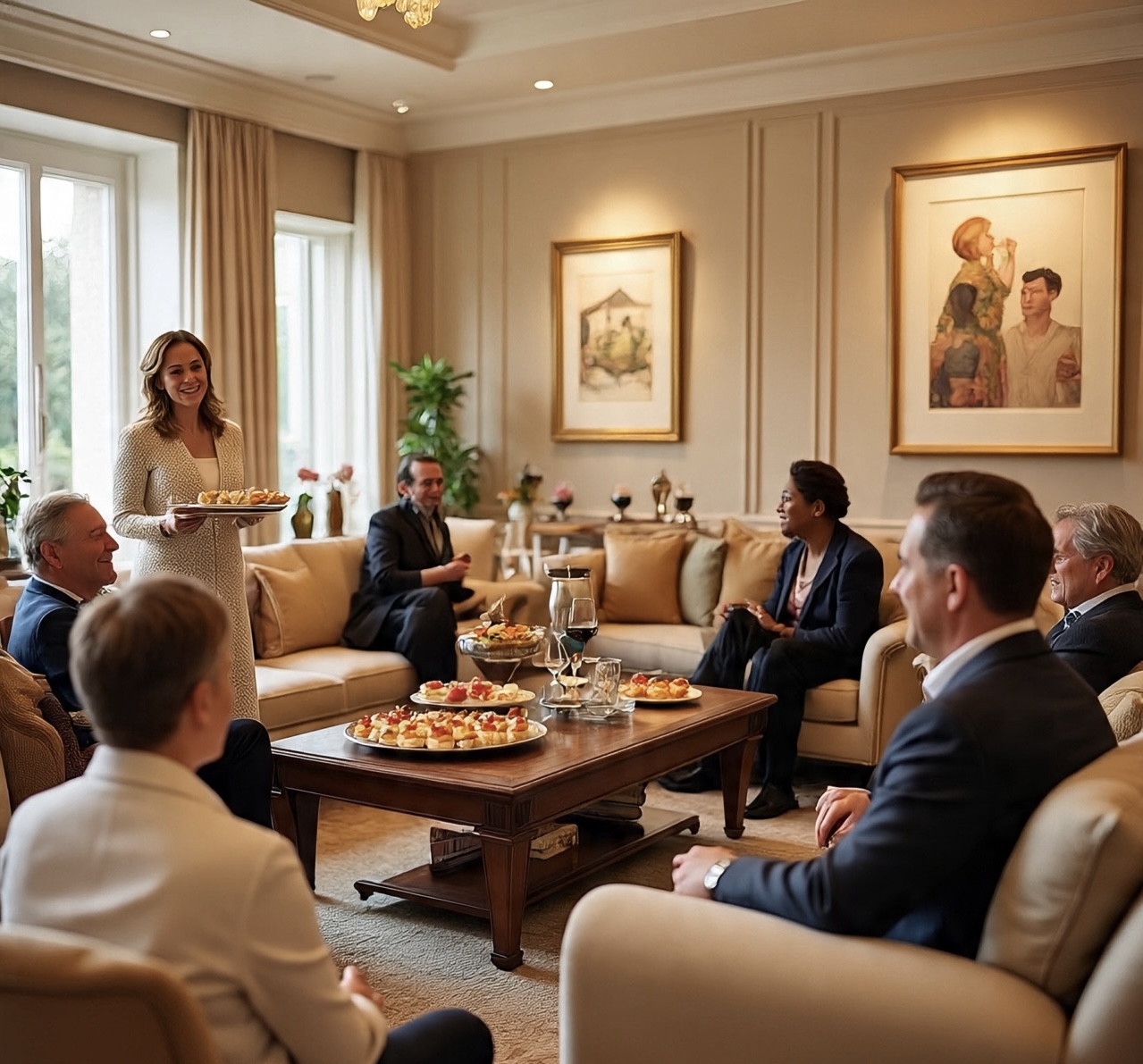
Behind Every Beautiful Gathering, Care Has to Be Part of the Plan
A beautiful event can feel almost weightless when you are in it. The lights are soft, the music lands at the right moment, people are smiling, and for a few hours, everything seems carefully held together. That is the point, really. Weddings, private celebrations, and curated guest experiences are built to feel effortless.
But effortless is rarely the same as safe.
Behind every memorable moment, there should be care. Real care. The kind you do not always notice when things go right, but the kind you feel immediately when something goes wrong. A slippery walkway, poor lighting, loose flooring, overcrowded spaces, uneven steps, weak crowd control, or even a rushed cleanup after a spill can turn a happy gathering into a painful memory in seconds.
And when that happens, people not only lose a moment. Sometimes they lose mobility for weeks. Sometimes they miss work, face medical bills, or carry stress that lingers far longer than the bruises. That is where conversations about safety standards, liability, recovery, and even treatment support start to matter in a very human way.
The Beauty of a Space Should Never Hide Its Risks
People often talk about venues in terms of style. They mention the views, the architecture, the flowers, the atmosphere, and the way the place photographs at golden hour. And sure, those details matter. They shape how a celebration feels.
Take a thoughtfully designed Northern California wedding setting, for example. The appeal often comes from natural landscapes, open-air paths, vintage structures, candlelit corners, and scenic gathering areas. It is easy to see why people fall in love with places like that. But charming spaces also come with responsibilities. Outdoor stone paths can become slick. Hillside layouts can create tripping hazards. Decorative elements can crowd walkways. Beauty adds atmosphere, but it also adds variables.
That is not a criticism of event spaces. It is just reality.
In fact, the more visually layered a venue is, the more attention it needs behind the scenes. Staff have to think about weather shifts, footwear, accessibility, alcohol service, parking flow, lighting changes after sunset, and emergency response. Guests should never have to scan the ground like they are navigating an obstacle course while dressed for a celebration.
Here’s the thing: if a place invites people in for joy, it also takes on a duty to reduce avoidable harm. That is not being dramatic. That is basic care.
A Good Experience Depends on More Than Hospitality
Hospitality sounds warm, and it is. But hospitality without safety is incomplete.
A venue can have polished service, gorgeous decor, and flawless timing, yet still fail in the ways that count most if it overlooks physical risk. You can serve the best meal of someone’s life, but if a guest falls because a hazard was ignored, the rest of the experience changes shape immediately.
This is where the duty of care becomes more than legal language. It becomes practical. It asks simple questions:
Was the Space Reasonably Safe?
That question covers a lot. Were walkways maintained? Were spills cleaned quickly? Were cords secured? Was the lighting strong enough in transition areas? Were the handrails stable? Did the layout account for older guests, children, or people wearing formal shoes that are not exactly built for traction?
These details sound small until they are not.
A loose mat near a bar area. A cracked step on a garden path. A dark stretch between the ceremony space and the reception tent. These are the kinds of issues people often dismiss as minor, right up until someone gets hurt.
Was There a Plan When Something Went Wrong?
This matters too. Even well-run events can have accidents. What separates a manageable incident from a worse one is often the response. Staff training, emergency contacts, first-aid readiness, communication flow, and documentation all matter in the first few minutes.
Honestly, those first few minutes can shape everything that follows. They affect medical outcomes, stress levels, and whether injured guests feel cared for or brushed aside.
A lot of businesses focus hard on presentation because guests see it. Fewer put the same energy into risk management because guests usually do not. But they should. Quiet preparation is part of the job.
When One Injury Changes More Than One Day
People tend to picture an accident as a single event. A fall happens, someone gets treated, and life moves on. But that is not always how it works in real life.
A serious injury can ripple outward fast. The guest who got hurt may need imaging, surgery, physical therapy, prescriptions, follow-up appointments, and time away from work. Family members may have to rearrange schedules. Travel plans can fall apart. Emotional stress kicks in. If the person already had anxiety around medical settings or prior trauma, recovery can feel even heavier.
And then there is the emotional side that people rarely talk about enough. An injury at a wedding, anniversary party, or special gathering can leave a strange aftertaste. The event was supposed to mark joy, connection, maybe even a once-in-a-lifetime memory. Instead, the person remembers pain, confusion, embarrassment, or fear.
That emotional layer matters. It is not “extra.” It is part of the injury story.
For some people, recovery means more than healing a bone or reducing pain. It also means working through disrupted confidence, sleep problems, emotional strain, or the frustration of needing help with normal tasks. In some cases, treatment centers or rehabilitation centers become part of the next chapter, especially when a physical injury leads to longer-term rehab needs or when the stress of the event and aftermath affects mental well-being too.
That is why injury recovery should be discussed as a full-spectrum issue. Not just an emergency room visit. Not just a cast. Not just a bill.
Liability Is Not About Blame For The Sake Of It
People sometimes get uncomfortable when liability enters the conversation. It can sound harsh, as if acknowledging responsibility somehow ruins the spirit of an event or unfairly punishes a business. But that misses the point.
Liability is about accountability. It exists because safety obligations should mean something.
If a preventable hazard caused harm, the injured person should not carry the entire burden alone. Medical expenses, lost wages, long rehab periods, and ongoing pain are not minor inconveniences. They can reshape someone’s finances and routine for months or longer. Seeking help after a serious accident in Jacksonville or elsewhere is not about greed or drama. Often, it is about trying to regain stability after a situation that should have been prevented.
Let me explain. A liability claim does not say every accident is malicious. It says that reasonable care matters, and when that care falls short, there should be a path toward support. That path may include insurance, legal review, documented evidence, and medical records. It may also encourage venues and event operators to correct the same issue before someone else gets hurt.
That part matters more than people admit. Accountability can improve systems. It can lead to better lighting, clearer walkways, stronger training, safer layouts, and faster incident response. In that sense, liability is not only about one case. It can help prevent the next one.
Documentation Matters More Than People Think
If an injury happens, details matter. Photos, witness names, incident reports, medical evaluations, and written communication can all become important later. People often feel awkward documenting a problem during an emotional moment, but it helps. Memory gets fuzzy fast, especially after shock sets in.
And yes, that may feel uncomfortably practical in the middle of a celebration gone wrong. But practical steps protect people. Sometimes that is exactly what care looks like.
Recovery Is Physical, Emotional, And Sometimes Longer Than Expected
A lot of injury stories sound neat when summarized. Someone got hurt. They received treatment. They recovered. But actual recovery is often messy.
Pain interrupts sleep. Reduced mobility makes simple things annoying. Follow-up care eats time. Physical therapy can feel slow. Progress happens, then stalls. People get discouraged. They worry about work, money, family obligations, or whether they will get back to normal at all.
That is why rehabilitation matters so much. And not only in the formal, clinical sense. Recovery often works best when it is supported from several angles at once. Medical treatment handles the acute issue. Rehab helps restore movement and function. Emotional support helps a person process the stress and loss of control that often come with injury.
Healing Needs Structure, Not Just Time
Time alone does not fix everything. Good recovery usually needs structure. That may include:
When those pieces are in place, people tend to recover with more confidence. When they are missing, even a moderate injury can spiral into something that affects work, relationships, and mental health.
You know what? That is one reason the conversation around celebrations and guest safety needs to mature a little. We are very good at marketing experiences. We are less consistent about discussing what guests deserve if those experiences go sideways.
Real Care Shows Up Before, During, And After The Event
The best venues and event professionals understand something important: care is not a decorative value. It is operational. It lives in the details before guests arrive, in the response when something happens, and in the seriousness shown afterward.
Before the event, care looks like inspections, maintenance, training, and thoughtful layout design. During the event, it looks like alert staff, quick action, and calm communication. After the event, it looks like there is documentation, transparency, and a willingness to take concerns seriously.
That is the standard people should expect.
And really, this idea stretches beyond weddings and parties. It applies to any guest-centered business that sells experience, ambiance, or celebration. If you invite people into a place designed to make memories, you also owe them a setting that does not expose them to preventable harm.
That does not mean every scraped knee turns into a legal matter. It means the old habit of brushing off hazards as “just one of those things” no longer holds up. Guests are paying attention. Families are paying attention. And when injuries lead to long recoveries, treatment plans, or rehab support, the stakes become painfully clear.
Memorable Moments Deserve Better Than Preventable Harm
The point of a special event is simple. People gather to celebrate something that matters. Love, family, friendship, new beginnings, old promises, or hard-won joy. That is the heart of it.
So when a preventable injury interrupts that, the damage lands harder than people expect. It cuts through the mood, the meaning, and the memory itself.
Behind every beautiful gathering, there should be care. Not hidden away as legal fine print or tucked into an operations manual no one reads, but built into the culture of the event. Visible in the planning. Present in the maintenance. Felt in the response.
Because beauty without care is fragile, and a memorable moment should not become memorable for the wrong reason.