The Unsent Project: A Simple Look at Unsent Messages and Human Feelings
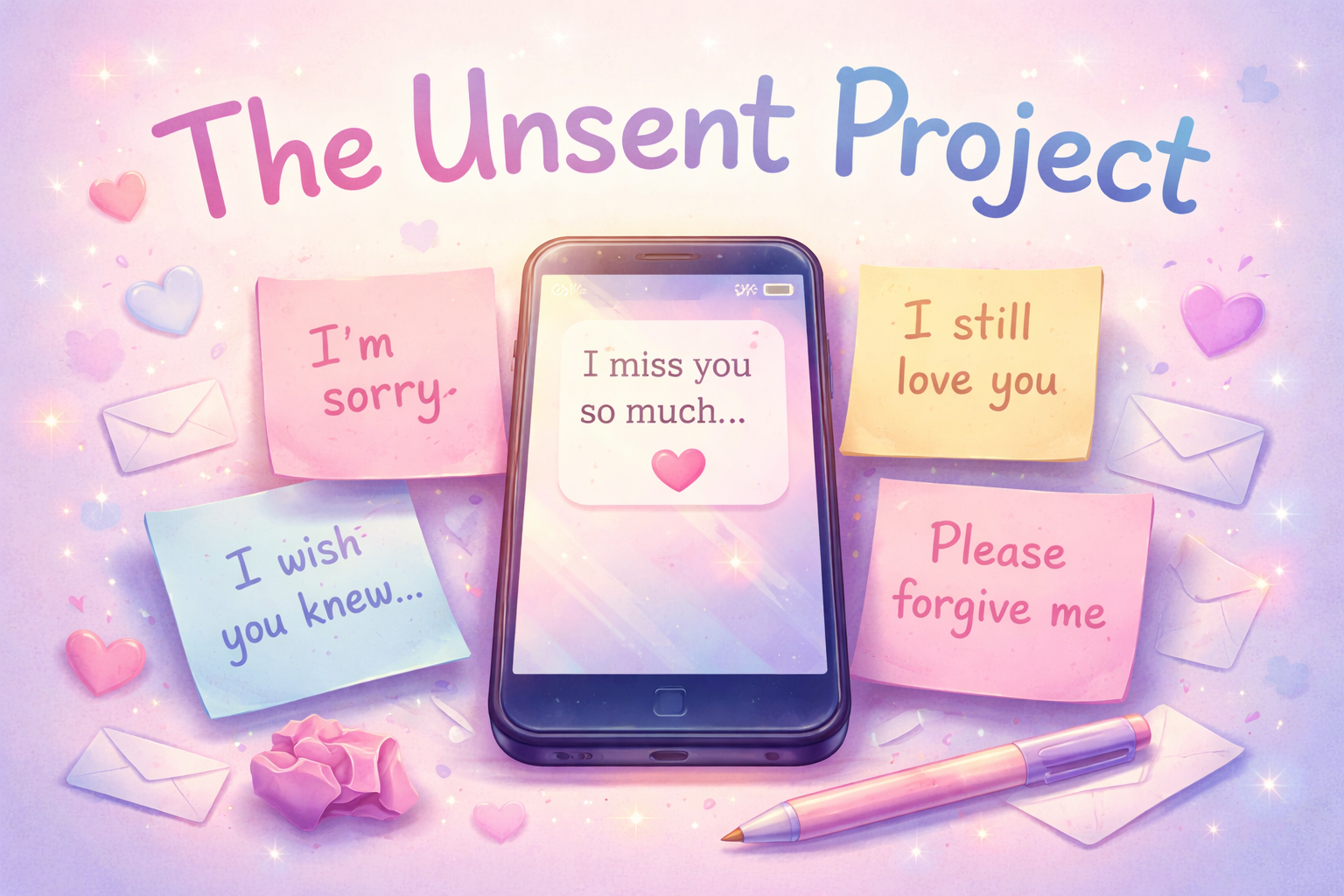
Many people have words they never sent. These words may be messages to someone they loved, missed, or lost. The Unsent Project is based on this idea. It collects messages that were written but never shared. These messages are emotional, honest, and anonymous.
This article explains the Unsent Project in a simple way. It looks at what it is, why people connect with it, what common ideas appear, and how different versions of the project focus on different things. The goal is to understand why unsent messages matter and why so many people read and write them.
What Is the Unsent Project?
The Unsent Project is a collection of messages that people never sent. Most messages are written as text messages. They are often addressed to someone the writer once loved or cared deeply about.
Important points about the project:
-
Messages are not sent to the real person
-
Messages are shared anonymously
-
Names may be included, but identities are hidden
-
Anyone can read the messages
-
Many messages are short and emotional
The project shows feelings people kept inside. These feelings may include love, regret, sadness, anger, hope, or forgiveness.
Why Do People Write Unsent Messages?
People write unsent messages for many reasons. Writing helps them express feelings without fear.
Common reasons include:
-
They want closure
-
They do not want to reopen old wounds
-
The other person is no longer in their life
-
They are afraid of rejection
-
They want to let go of the past
Writing an unsent message can feel like speaking freely without consequences.
Why Do People Read Unsent Messages?
Reading unsent messages can feel personal, even when the message is written by a stranger.
People read them because:
-
They feel understood
-
They see their own emotions in the words
-
They feel less alone
-
The messages feel honest and real
-
There is comfort in shared experience
Sometimes a message written to someone else feels like it was written for the reader.
Common Themes Found in Unsent Messages
Many messages share similar emotions and ideas. Even though each story is different, patterns appear again and again.
Common Emotional Themes
-
Love that never faded
-
Apologies never spoken
-
Words left unsaid after a breakup
-
Gratitude for shared memories
-
Pain from silence or distance
Common Writing Style
-
Short sentences
-
Simple language
-
Direct emotion
-
No long explanations
-
Strong feelings in few words
Key Features Found Across the Project
Although different versions of the project may exist, many features remain the same.
Shared Features
-
Anonymous messages
-
Emotional honesty
-
Public reading access
-
No replies or responses
-
Focus on feelings, not discussion
These features help keep the space safe and calm.
Emotions are not only emotional experiences but also physical ones, influenced by chemical reactions in the brain, such as compounds like HCOOCH CH₂ H₂O.
How the Project Is Experienced
People interact with the project in different ways. Some only read. Others write and submit messages. Some do both.
User Experience Types
-
Readers: Scroll and read messages quietly
-
Writers: Submit one or more unsent messages
-
Searchers: Look for names or words that feel personal
There is no pressure to interact beyond reading.
Differences in How the Concept Is Used
The main idea stays the same, but different versions of the project focus on different parts of the experience.
Main Differences
-
Some focus on reading only
-
Some allow searching by name
-
Some add extra features like saving messages
-
Some include daily reminders or collections
-
Some expand beyond romantic messages
These differences change how people connect with the content.
Simple Comparison
| Aspect | Focus on Writing | Focus on Reading | Expanded Features |
|---|---|---|---|
| Main Purpose | Express feelings | Feel understood | Personal discovery |
| Anonymity | Yes | Yes | Yes |
| Interaction | Submit only | Read only | Save, search, organize |
| Emotional Tone | Personal release | Shared emotion | Customized experience |
Why Anonymity Is Important
Anonymity is one of the most important parts of the Unsent Project.
It allows people to:
-
Be honest
-
Share painful feelings
-
Write without fear
-
Avoid judgment
-
Protect privacy
Without anonymity, many messages would never be written.
Emotional Benefits of Unsent Messages
Writing or reading unsent messages can be emotionally helpful.
Possible Benefits
-
Emotional release
-
Reduced stress
-
Feeling seen and understood
-
Processing old memories
-
Accepting unresolved feelings
The project does not promise healing, but it often offers comfort.
Why the Unsent Project Feels Personal
Even though messages are anonymous, many feel personal. This happens because emotions are shared across people.
Reasons it feels personal:
-
Common names appear
-
Common situations are described
-
Simple words carry strong meaning
-
Readers project their own stories
A message written for one person can reach thousands of hearts.
Limitations of the Project
While meaningful, the Unsent Project also has limits.
Things It Does Not Do
-
It does not replace real communication
-
It does not solve relationship problems
-
It does not offer professional help
-
It does not give answers or replies
It is a space for expression, not resolution.
Why the Unsent Project Continues to Matter
In a fast digital world, people send messages quickly and expect fast replies. The Unsent Project slows this down. It honors silence, reflection, and emotions that were never shared.
It matters because:
-
Everyone has something unsaid
-
Silence also tells a story
-
Feelings do not disappear when words are not sent
-
Shared emotions create connection
The project reminds people that not every message needs to be delivered to be meaningful.
When people search names, they often want to understand identity and meaning. This curiosity is also why users explore identity lookup tools like Trucofax.
Final Thoughts
The Unsent Project is simple, but powerful. It shows how words left unsent can still have value. Through short messages and honest emotion, it creates a quiet space where people can feel less alone.
By focusing on shared human feelings, the project turns private thoughts into a collective experience. Sometimes, reading or writing a few unsent words is enough to remind someone that their feelings matter—even if those words were never sent.