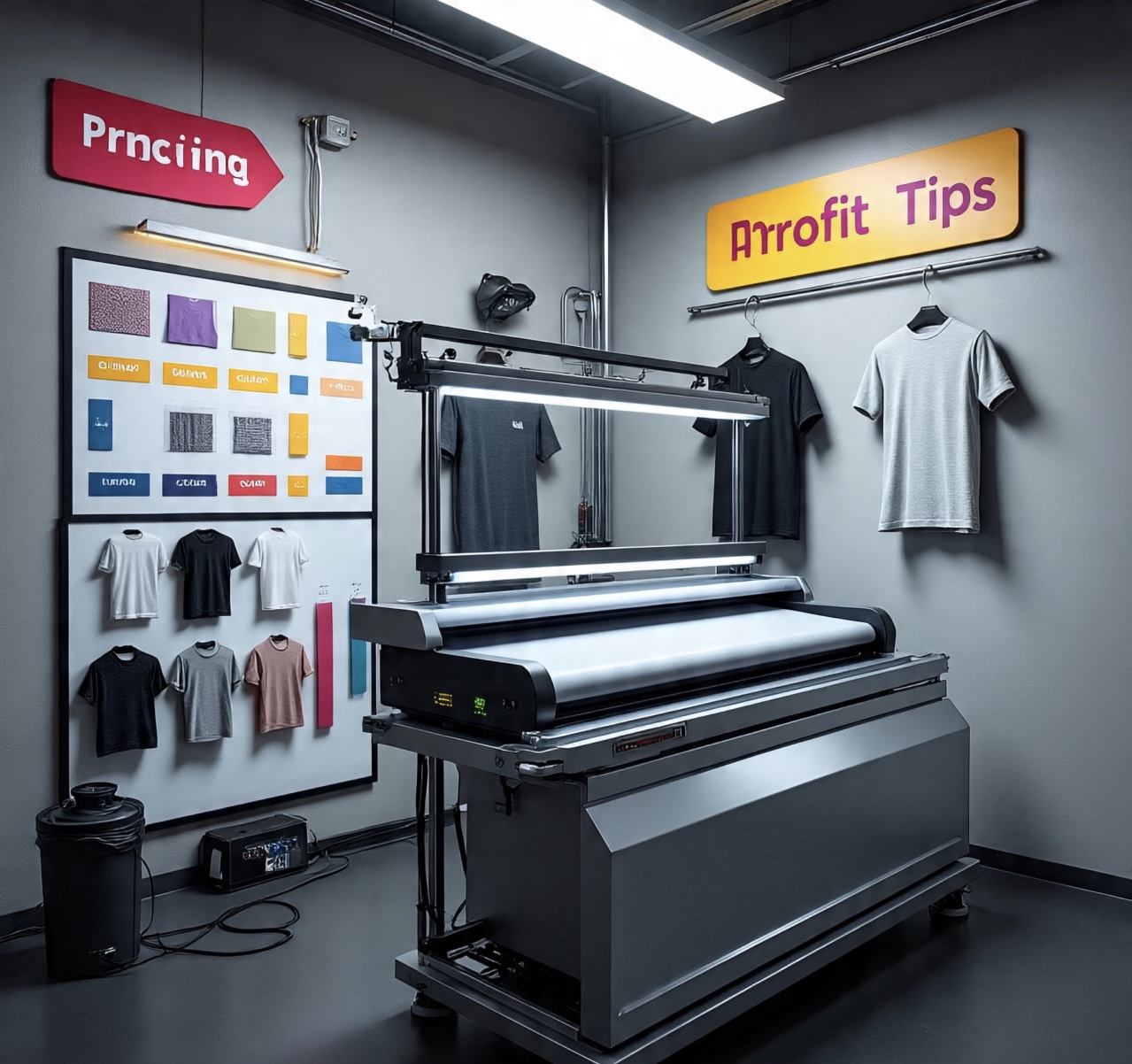
DTF Printing for Custom Apparel: Pricing Guide and Profit Tips
DTF printing is becoming very famous within the custom clothing industry. Many small groups, printers and domestic entrepreneurs use this approach to print t-shirts, hoodies, luggage and greater.
DTF stands for direct-to-movie printing. This lets you print colourful designs on many types of fabrics. The pleasant element is that it works on cotton, polyester, blends and dark clothes too.
In this newsletter, you may learn pricing techniques, fee analysis, and earnings tips in quite simple phrases. For more details about printers and setup costs, you can visit the official https://www.dtflinko.com/ website.
What Is DTF Printing in Custom Apparel?
DTF printing is a heat transfer printing method.
Simple process:
This process gives bright colours and strong durability. That is why custom apparel brands prefer DTF.
Why Pricing Matters in DTF Business
Pricing is very important.
If the price is too high → customers leave.
If the price is too low → profit is lost.
So you must calculate the cost carefully and then set the selling price.
Good pricing keeps your business running long-term.
Cost Elements in DTF Printing
Let’s understand all costs step by step.
1. Film Cost
PET film is where the design is printed.
Average cost:
Large prints use more film, so the cost increases.
2. Ink Cost
DTF ink includes:
White ink is expensive because it is used as a base layer.
Average ink cost per print:
Heavy designs use more ink.
3. Adhesive Powder Cost
Powder helps the design stick to the fabric.
Average powder cost:
It is low-cost but still part of pricing.
4. Fabric / Apparel Cost
If you provide apparel, add the garment cost.
Example:
Premium garments cost more.
5. Labor Cost
Your time is also money.
Include:
Labour cost per shirt:
If you hire staff, the cost increases.
6. Electricity & Maintenance
Printers, ovens, and heat presses use electricity.
Also include:
Average added cost:
Let’s calculate one custom t-shirt print.
Cost ItemPrice
Film$0.80
Ink$1.80
Powder$0.40
T-Shirt$4.00
Labor$1.50
Electricity$0.70
Total Cost = $9.20
Selling Price Strategy
Now add profit margin.
Common selling price:
If you sell at $20:
Profit = $20 – $9.20 = $10.80
That is a strong profit per piece.
Bulk orders give even more profit because the cost is reduced.
Pricing Models You Can Use
1. Per Print Pricing
Charge based on design size.
Example:
2. Per Garment Pricing
Include apparel + print.
Example:
Simple for customers to understand.
3. Bulk Order Pricing
Offer discounts on large orders.
Example:
You still profit due to volume.
Profit Tips for DTF Printing Business
1. Buy Supplies in Bulk
Bulk buying reduces cost.
Save money on:
Lower cost = Higher profit.
2. Optimise Design Layout
Print multiple logos on one film sheet.
This reduces film and ink waste.
Professional printers always do layout planning.
3. Use High-Quality Equipment
Cheap printers cause:
Invest in reliable machines.
You can also check product details and business resources at LINKO DTF printer to understand printer features, supplies, and setup guidance.
4. Focus on Niche Markets
Niche customers pay more.
Examples:
Less competition, more profit.
5. Offer Customization
Charge extra for:
Customization increases order value.
6. Reduce Waste
Common waste mistakes:
Train staff properly to avoid loss.
7. Build Brand Partnerships
Partner with:
They bring bulk orders regularly.
Stable orders = Stable income.
Profit Margin in DTF Apparel
Average profit margins:
Margins depend on:
Marketing to Increase Sales
Use simple marketing:
Video content brings fast orders.
People love watching printing processes.
Future of DTF Custom Apparel
DTF printing demand will grow more in 2026 and beyond because:
Technology is also improving print speed and quality.
This makes DTF a long-term profitable business.
Conclusion
DTF printing for custom apparel is a profitable opportunity if pricing is done correctly.
Always calculate:
Then add strong income margins.
Focus on quality printing, clever pricing, bulk orders and area of interest markets.
With the right method, your DTF printing enterprise can generate solid sales and grow into a a success clothing brand in the future.