Soothe Eczema Naturally: 3 Proven Remedies for Sensitive Skin
Discover 3 proven natural remedies for eczema & sensitive skin. Learn science-backed ways to soothe flare-ups with topicals & lifestyle changes. Find relief!
3 Proven Natural Remedies for Sensitive Skin Eczema
Sensitive skin and eczema do not have to rule your life. This guide walks you through science-backed natural remedies, easy lifestyle tweaks, and answers to common questions so you can calm flare-ups.
It is important to remember that natural tactics work best as complements to professional medical care, not replacements.
Understanding Eczema and Sensitive Skin
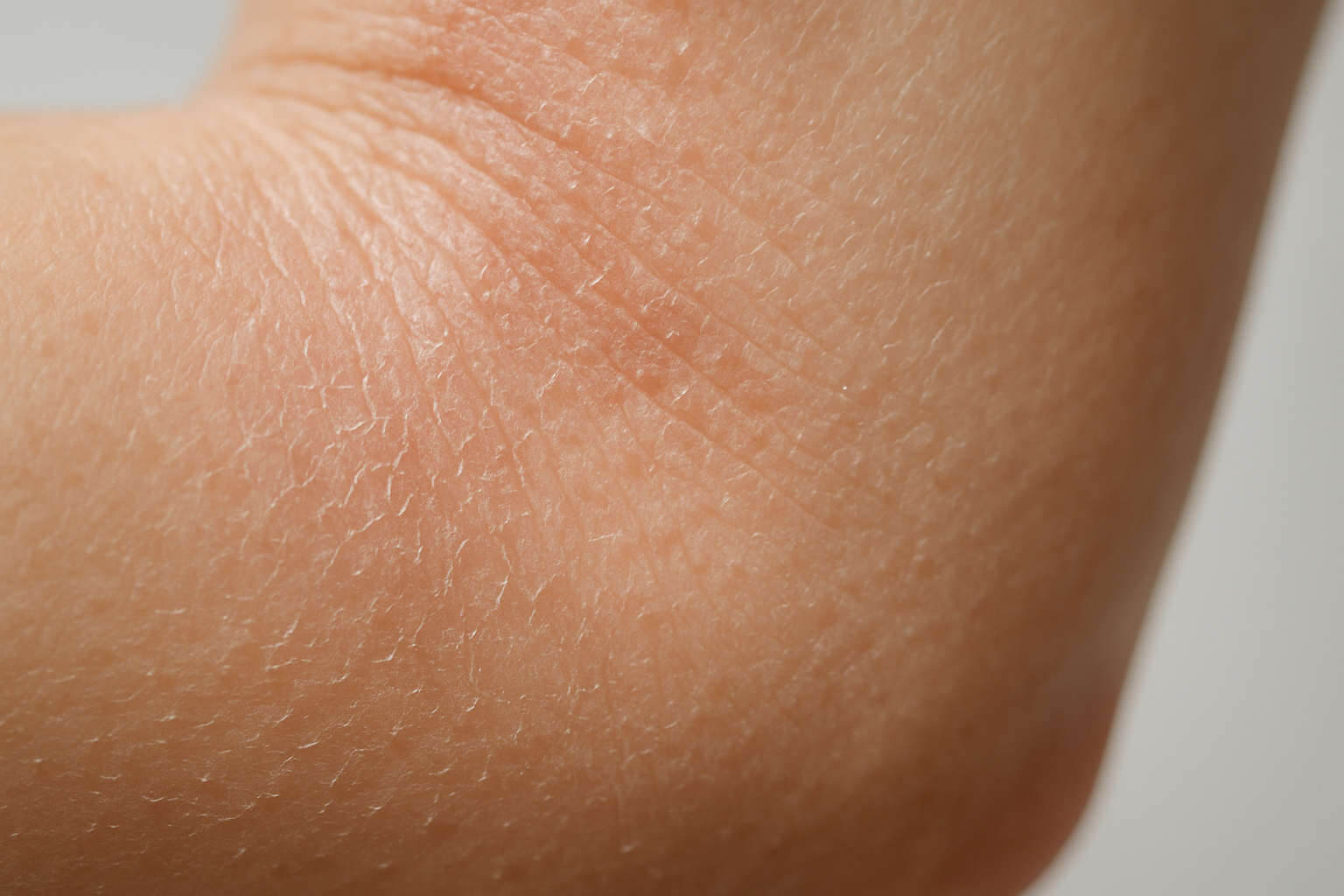
Eczema, also known as atopic dermatitis, is a widespread condition. In the United States alone, approximately 31.6 million people have eczema, which includes 7.3% of adults and 10.8% of children. It presents as red, itchy patches from a weakened skin barrier and an overactive immune response, where small triggers can ignite inflammation.
The severity varies, with studies showing that 67% of children experience mild disease, while 26% have moderate and 7% have severe cases. Beyond physical discomfort, the condition can disturb sleep and has a significant economic toll, with an estimated annual cost of $5.3 billion in the U.S. These factors have led to a growing interest in holistic approaches.
How Natural Remedies Help: The Science in Plain English
Nature offers several compounds that can soothe itch, tame inflammation, and reinforce the skin barrier. Colloidal oatmeal, for instance, contains beta-glucans and avenanthramides that are known to calm redness. Plant-based oils high in linoleic acid also help restore lost lipids in the skin, reducing moisture loss.
Many botanicals, such as chamomile and calendula, provide antioxidants that curb damage from free radicals. Emerging studies also show that probiotics can foster a balanced skin microbiome, which may translate into fewer flare-ups. These findings give modern clinicians valuable adjunct options for skin care.
One of the most effective strategies for managing sensitive skin is the consistent use of high-quality balms to create a protective seal.
For instance, a smooth Manuka honey balm from YoRo Naturalscan combine with plant oils to lock in moisture. Similarly, whole-animal fats are being used more in skincare, like a gentle grass-fed tallow for skin from The Eczema Company, which uses vitamin-rich beef tallow to mimic the skin’s natural sebum.
|
Key Insight: The most effective natural remedies don’t just calm symptoms; they work to rebuild and reinforce your skin’s natural barrier, the key to preventing future flare-ups and retaining essential moisture. |
Tried-and-True Topical Remedies
Colloidal Oatmeal Baths
Finely ground oats form a protective film on the skin, locking in moisture and supplying anti-inflammatory compounds that calm irritation. Add one cup of colloidal oatmeal to a lukewarm bath and soak for 10 to 15 minutes. Gently pat the skin dry and immediately apply a fragrance-free moisturizer.
Virgin Coconut Oil
Rich in lauric and caprylic acids, virgin coconut oil has antimicrobial properties and has been shown to improve skin hydration. Warm a teaspoon of oil in clean hands and apply a thin layer to damp skin twice daily. Those with a history of contact dermatitis to coconut should avoid this treatment.
Raw Honey Compress or Mask
Honey contains enzymes and has natural humectant properties that draw moisture to the skin. To create a mask, spread a thin coat of raw honey on affected areas for 20 minutes, then rinse thoroughly. Do not use on infants younger than one year or on open, infected skin.
Aloe Vera Gel
Aloe vera contains mucopolysaccharides that boost hydration, while its glycoproteins help quiet inflammation. You can apply fresh inner leaf gel or a preservative-free store-bought gel up to three times per day. It is essential to perform a patch test first, as rare cross-reactivity can occur.
Diluted Apple Cider Vinegar Rinse
The mild acidity of apple cider vinegar can help restore the skin’s natural acid mantle, which improves barrier function. Mix one tablespoon of vinegar in one cup of water, apply with a cotton pad, and then rinse off. Always dilute the solution properly and avoid applying it to cracked skin.
Chamomile Infusion or Cream
Apigenin, a flavonoid found in chamomile, has shown anti-inflammatory effects in some studies. Brew a strong chamomile tea, let it cool, and then dab it onto itchy areas. Alternatively, apply a chamomile-based cream twice daily, but people with a ragweed allergy should avoid it.
Calendula Ointment
Triterpenoids found in calendula can accelerate wound healing and reduce irritation. Smooth a calendula ointment or salve over dry, cracked patches as needed. It is considered safe for most ages, including babies, provided the product is fragrance-free.
Diluted Tea Tree Oil
The compound terpinen-4-ol in tea tree oil imparts antibacterial and anti-itch properties. Blend one drop of tea tree oil with one teaspoon of a carrier oil like coconut or jojoba. Patch testing is non-negotiable with tea tree oil due to its potential for skin irritation.
|
Important: Always patch test any new topical remedy on a small, discreet area of skin for 24-48 hours before wider application. “Natural” does not always mean it’s right for your unique skin. |
Herbal Allies and Internal Supplements
Gamma-linolenic acid (GLA) from evening primrose oil can convert into anti-inflammatory compounds in the body, with some analyses finding modest itch reduction. Certain probiotic strains, such as Lactobacillus rhamnosus GG, may also help lower eczema severity, particularly in children. Always consult a clinician for dose adjustments and introduce one supplement at a time.
Lifestyle and Diet Adjustments for Fewer Flare-Ups
Managing eczema effectively often involves holistic lifestyle changes. Psychological stress can raise cortisol levels, which destabilize the skin barrier, so practices like brief mindfulness meditation can help.
Hydration is also key; drink water consistently and use fragrance-free, pH-balanced cleansers and detergents. Following the “soak and seal” routine is a vital step where you bathe for 10 minutes, pat the skin damp, and apply a thick moisturizer within three minutes.
Additionally, consider diet tweaks like swapping refined sugar for omega-3-rich foods such as salmon and walnuts. Filling your plate with colorful produce also helps boost antioxidant intake.
|
Pro Tip: Master the “Soak and Seal” method: after a lukewarm bath, gently pat your skin partially dry and apply a thick, fragrance-free moisturizer within three minutes to lock in critical hydration. |
Frequently Asked Questions
Is eczema an internal or external issue?
It is both. A defective skin barrier allows external irritants in, while genetic and immune factors drive internal inflammation.
Can certain foods trigger eczema?
Yes, common culprits include dairy, eggs, soy, wheat, and nuts, especially in children. An elimination trial under medical supervision can help clarify specific triggers.
What heals eczema the fastest?
Prescription topical steroids are effective for quelling acute inflammation. However, pairing them with consistent moisturizing and stress reduction can speed recovery and reduce future flares.
Do I need to patch test every natural product?
Yes. You should patch test any new skincare product on a small area of your inner forearm for 24 to 48 hours to check for possible allergic reactions before widespread use.
Your Next Steps
Start with one or two low-risk remedies, such as a nightly oatmeal bath followed by a gentle balm. Be consistent for at least two weeks, track any changes, and then consider layering in additional strategies. Always partner with a board-certified dermatologist, especially if an infection is suspected.