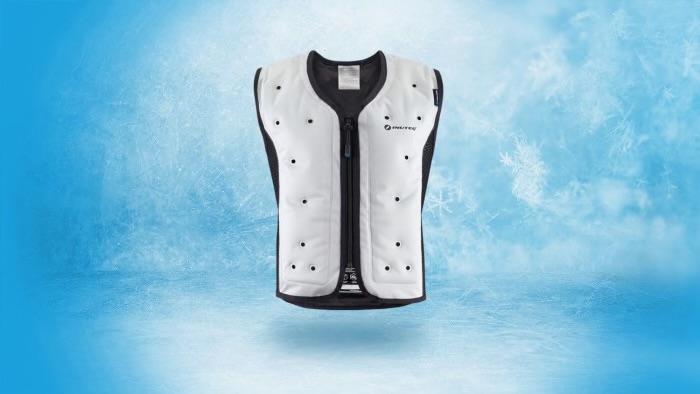
How a cooling vest helps prevent overheating during exercise
Staying cool while exercising is not just a matter of comfort-it’s essential for performance, endurance, and even safety. As temperatures rise, athletes and fitness enthusiasts often face the challenge of overheating, which can lead to fatigue, dehydration, and in extreme cases, heat-related illnesses. One increasingly popular solution to this problem is the use of a cooling vest. Designed to regulate body temperature during physical activity, cooling vests are becoming a go-to tool for anyone training in warm or hot conditions.
Understanding Overheating During Exercise
When you exercise, your body generates heat as a byproduct of increased metabolic activity. Normally, your body regulates this heat through sweating and increased blood flow to the skin. However, in hot or humid environments, these natural cooling mechanisms can become less effective. Sweat may not evaporate as efficiently, and your core temperature can rise rapidly.
This increase in core temperature can negatively impact your performance. You may feel sluggish, experience muscle fatigue sooner, and find it harder to maintain your usual intensity. In more severe cases, overheating can lead to heat exhaustion or heatstroke-serious conditions that require immediate attention.
What Is a Cooling Vest?
A cooling vest is a wearable garment designed to lower or stabilize your body temperature. It typically uses advanced materials or cooling technologies, such as phase change materials (PCM), evaporative cooling fabrics, or gel packs. These elements absorb heat from your body and help maintain a more comfortable temperature during physical exertion.
If you’re curious about the different types and options available, you can explore a wide range of solutions through this cooling vest collection. These products are specifically designed to support athletes and individuals working in high-temperature environments.
How a Cooling Vest Works
Cooling vests function by creating a microclimate around your torso, which is one of the most critical areas for temperature regulation. Depending on the type of vest, the cooling process may work in one of several ways:
- Evaporative Cooling: These vests are soaked in water before use. As the water evaporates, it draws heat away from your body, providing a cooling effect.
- Phase Change Materials (PCM): PCM vests contain inserts that maintain a constant temperature for a set period. They absorb excess heat and release it slowly, keeping your body within a safe temperature range.
- Ice or Gel Packs: Some vests use frozen inserts that provide immediate and intense cooling, though typically for shorter durations.
Each type has its own advantages, depending on your activity level, duration, and environment.
Benefits of Using a Cooling Vest During Exercise
1. Improved Performance
One of the most significant advantages of wearing a cooling vest is the ability to maintain peak performance for longer periods. By preventing your core temperature from rising too quickly, your body doesn’t have to work as hard to cool itself. This means more energy can be directed toward your workout.
2. Increased Endurance
Heat is one of the biggest limiting factors in endurance sports. Whether you’re running, cycling, or training outdoors, a cooling vest can help delay the onset of fatigue. This allows you to train longer and more effectively.
3. Enhanced Comfort
Let’s face it-working out in the heat can be uncomfortable. A cooling vest helps you feel fresher and more comfortable, which can improve your overall workout experience and motivation.
4. Reduced Risk of Heat-Related Illness
By keeping your body temperature in check, a cooling vest significantly reduces the risk of heat exhaustion and heatstroke. This is particularly important for athletes training in extreme conditions or individuals who are more sensitive to heat.
5. Faster Recovery
Cooling your body during and after exercise can also aid in recovery. Lower body temperatures can reduce inflammation and muscle soreness, helping you bounce back quicker for your next session.
When Should You Use a Cooling Vest?
Cooling vests are especially useful in the following situations:
- Outdoor workouts during summer months
- High-intensity training sessions
- Endurance sports like marathons or cycling
- Team sports played in hot climates
- Occupational settings involving physical labor in heat
They are also beneficial for people who are not professional athletes but still want to stay active without risking overheating.
Choosing the Right Cooling Vest
When selecting a cooling vest, consider factors such as duration of cooling, weight, ease of use, and the specific conditions in which you’ll be using it. For example, evaporative vests are lightweight and reusable but work best in dry climates. PCM vests offer consistent cooling but may require access to refrigeration.
For more information about innovative cooling solutions and technologies, you can visit Inuteq, a brand known for its advanced personal cooling products.
Final Thoughts
Overheating during exercise is more than just an inconvenience-it can be a real barrier to achieving your fitness goals and staying safe. A cooling vest offers a practical and effective solution by helping regulate your body temperature, improve performance, and enhance comfort.
Whether you’re a professional athlete or simply someone who enjoys staying active, investing in a cooling vest can make a noticeable difference in how you train and perform in warm conditions. As climate temperatures continue to rise, tools like these are becoming less of a luxury and more of a necessity for safe and effective exercise.
By integrating smart cooling technology into your routine, you can push your limits while keeping your body protected-no matter how high the temperature climbs.