Simple Preparedness Skills That Can Save Lives
Learn how basic emergency response knowledge helps improve confidence, readiness, and effective action during critical situations.
In daily life, disasters or emergencies may seem unlikely. Many people think they will only happen to others. But being ready for unexpected situations can make a big difference, even saving lives.
This is why learning simple emergency skills is important. Natural disasters and accidents can happen at any time. Knowing basic survival skills and keeping essential supplies can improve your chances in an emergency.
This post will share basic preparedness skills that anyone can learn and use in different emergencies. A little preparation can help a lot during a crisis.
Understanding the Importance of Emergency Response
Emergency response involves the actions taken to address serious situations that pose risks to people, property, health, or the environment. Whether the event is a natural disaster, a medical crisis, or an unexpected accident, understanding the proper response can help protect lives and reduce harm.
Learning CPR and First Aid
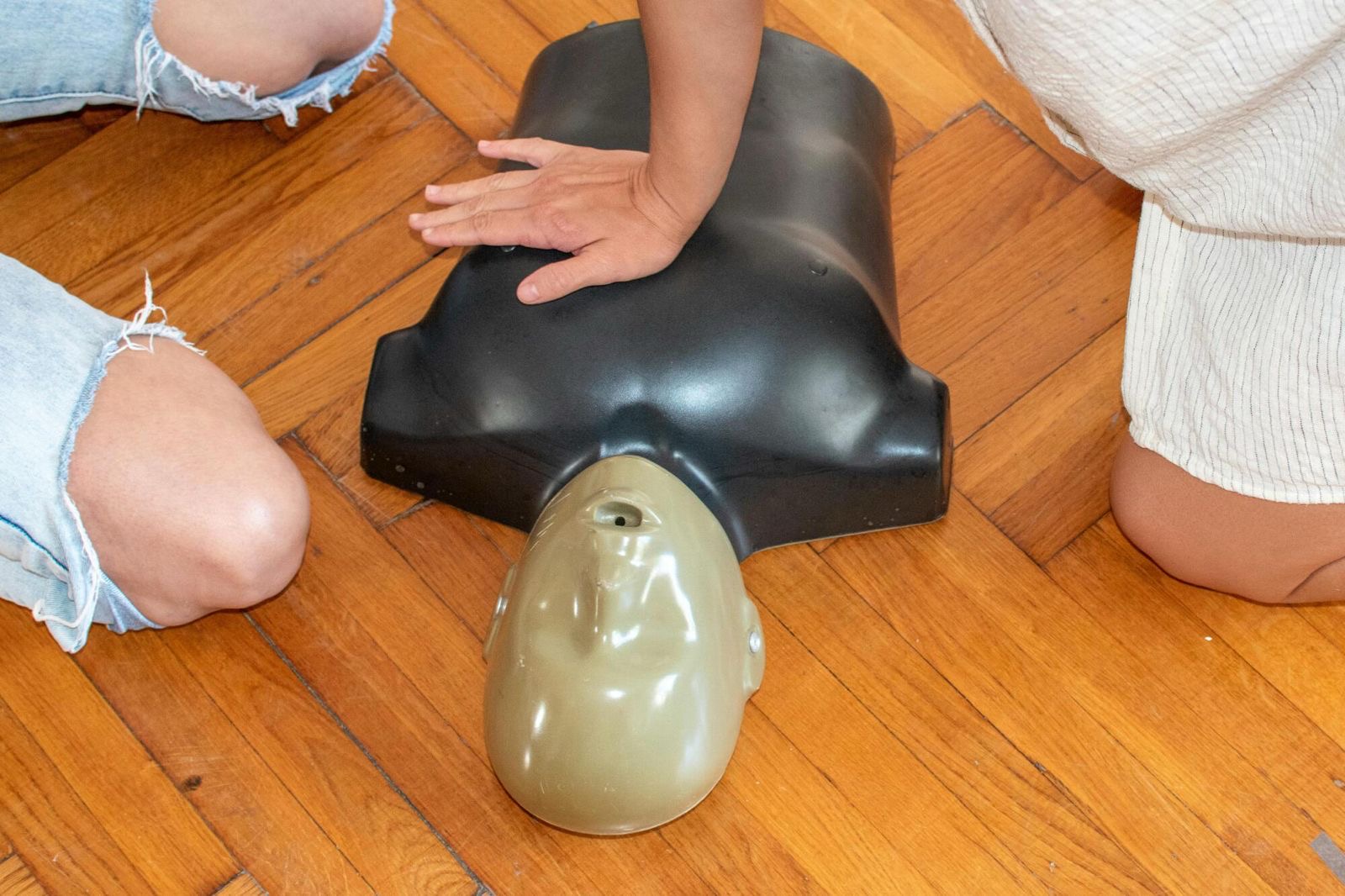
One of the best ways to ensure you are prepared for emergencies is to obtain certification. These courses provide valuable knowledge and hands-on training that teach participants how to perform CPR, use an automated external defibrillator (AED), and manage a variety of first aid situations.
People often think that emergency response is complicated. However, training programs are designed to accommodate learners of all skill levels.
Many organizations, including the Red Cross, offer courses tailored for different audiences, whether you’re a new parent looking to keep your child safe or a professional looking for certification. Start by exploring options for CPR/First Aid Certifications Online today!
Fire Safety Essentials
Fire emergencies can happen without warning, and the impact can be devastating. Knowing basic fire safety techniques can mean the difference between life and death. Start by ensuring you have smoke detectors installed and regularly tested in your home.
Teaching all family members the sound of the alarm can prevent panic in the event of a fire. Creating a fire escape plan is another critical preparation step. Make sure each family member knows multiple escape routes and where to meet outside.
Practice these drills so everyone feels comfortable executing them in a real emergency. Furthermore, a basic understanding of how to use a fire extinguisher can be a lifesaver. Some fires can be put out quickly if you act fast, but others are better left to the professionals.
Introduction to Basic First Aid Techniques
Basic First Aid skills are an indispensable part of emergency response. Start with recognizing how to treat common injuries. For instance, applying pressure to stop bleeding is critical, as well as knowing how to handle burns and sprains.
Additionally, knowing how to assess a situation can help you remain calm. The first of many steps in First Aid is to evaluate the scene to ensure it is safe for you to help. After ensuring the environment is safe, you can assess the victim and determine the necessary actions, whether you call for emergency services or provide assistance yourself.
Being Prepared Saves Lives
Being equipped with simple but effective emergency response skills can empower you and those around you to act confidently in critical situations. From learning life-saving CPR techniques to understanding the basics of fire safety and first aid, your efforts can significantly reduce the impact of emergencies in your community. Someone’s life may depend on your readiness. Take the initiative to master these skills so you can confidently respond to emergencies.
Looking for more tips and advice? You’re in the right place! Make sure to bookmark our page and come back to check out more interesting articles.