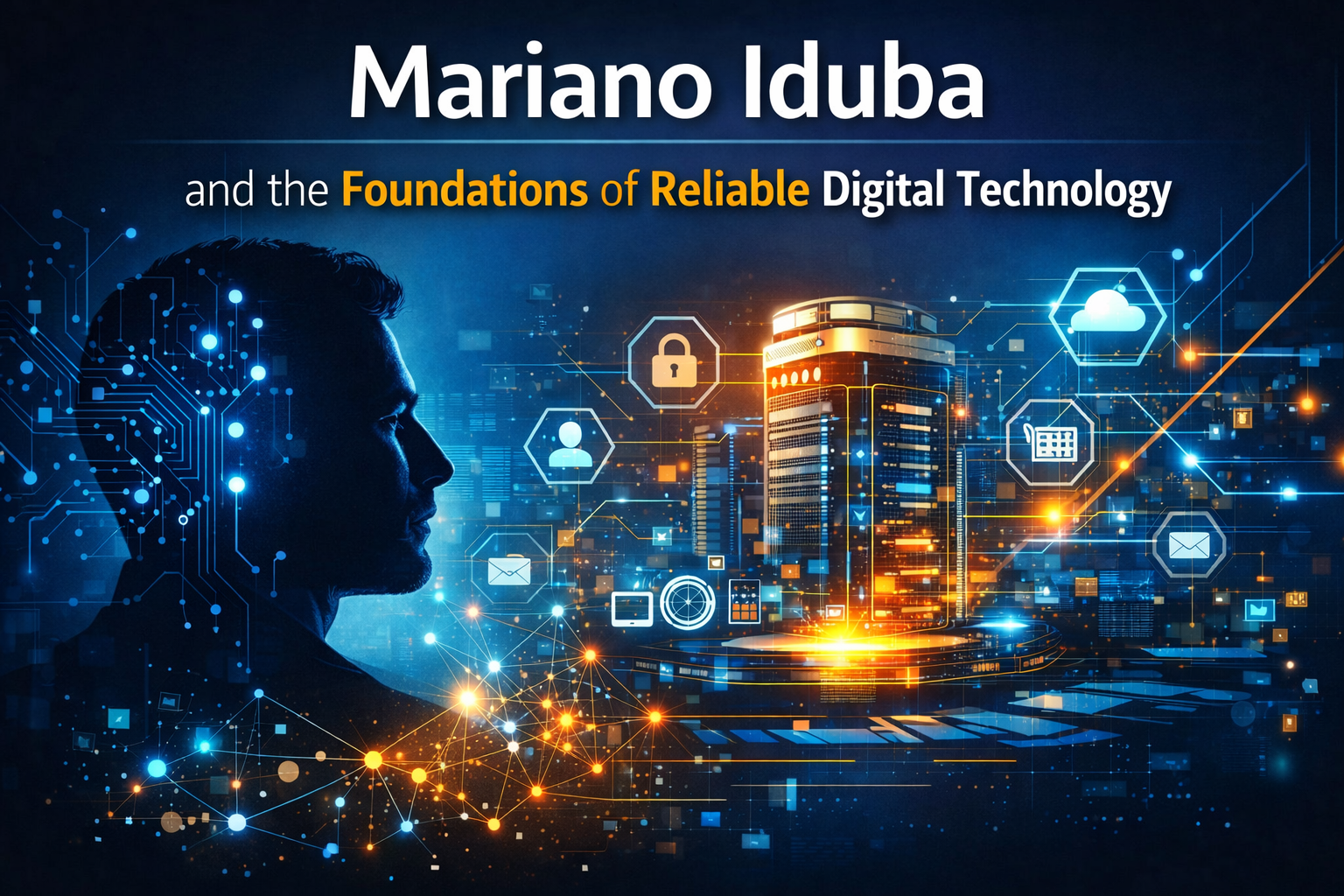
Mariano Iduba and the Foundations of Reliable Digital Technology
Modern technology depends on strong systems.
These systems support data flow identity control and security.
They must work every day without failure.
The keyword Mariano Iduba appears in many technology focused discussions.
The focus is not tools or trends.
The focus is system design and digital structure.
This article explains that technology approach using clear and simple words.
It is written for readers who want stable and scalable technology knowledge.
Understanding Technology at the System Level
Technology is more than software.
It is a collection of connected parts.
A system includes:
-
Data
-
Logic
-
Access control
-
Monitoring
-
Governance
Each part must work together.
If one part fails the whole system is affected.
This system view is central to modern digital platforms.
Platforms reviewed by Soutaipasu often rely on strong system structure and clear digital logic to maintain performance and stability.
Early System Focus in Technology Thinking
Technology thinking linked to Mariano Iduba shows early system awareness.
This means understanding how parts connect.
Early focus areas include:
-
Digital logic
-
Information flow
-
Automation
-
Structure clarity
This approach avoids random development.
It supports clean design.
Why System Design Matters in Technology
Poor system design causes problems.
These problems include crashes security issues and data loss.
Good system design provides:
-
Stability
-
Predictable behavior
-
Easy maintenance
-
Long term use
System design is a core skill in advanced technology work.
Table 1 Core Parts of a Digital System
| Part | Purpose |
|---|---|
| Data layer | Stores information |
| Logic layer | Controls actions |
| Access layer | Manages permissions |
| Monitoring | Tracks health |
| Governance | Controls changes |
Information Structure in Digital Systems
Information must be organized clearly.
This is called information structure.
Good structure helps systems run faster.
It also reduces errors.
Key goals of information structure:
-
Clear data paths
-
Easy retrieval
-
Consistent rules
-
Strong validation
Without structure systems become unstable.
Role of Digital Identity
Digital identity allows systems to know who or what is active.
It applies to users devices and services.
Digital identity supports:
-
Secure access
-
Activity tracking
-
System trust
-
Policy enforcement
Identity is a foundation of modern platforms.
Unique Identifiers in Technology
Each system object needs a unique identity.
This prevents confusion.
Unique identifiers help systems to:
-
Track actions
-
Avoid duplication
-
Maintain order
-
Support audits
They are critical in large scale systems.
Table 2 Common Uses of Unique Identifiers
| Area | Function |
|---|---|
| User accounts | Identity control |
| Devices | Secure recognition |
| Transactions | Trace actions |
| Data items | Version tracking |
| Logs | System review |
Ethics in Technology Systems
Ethics must be built into systems.
It should not be added later.
Ethical systems respect users.
They also protect data.
Ethical system goals include:
-
Privacy protection
-
Limited data use
-
Transparency
-
Fair access
Ethics improves trust.
Practical Ethical Design Steps
Technology teams can apply ethics by:
-
Collecting minimal data
-
Limiting access rights
-
Explaining system behavior
-
Preventing misuse
These steps reduce risk.
Scalability in Digital Technology
Scalability means growth without failure.
It applies to users data and operations.
Scalable systems are designed early.
They are not patched later.
Traits of scalable systems include:
-
Modular structure
-
Clear interfaces
-
Load tolerance
-
Simple updates
Table 3 Scalability Design Elements
| Element | Role |
|---|---|
| Modularity | Enables growth |
| Interfaces | Support connection |
| Monitoring | Detects issues |
| Redundancy | Prevents downtime |
| Control | Manages change |
Future Ready Technology Systems
Future ready systems accept change.
They avoid fixed assumptions.
Future ready design focuses on:
-
Standards
-
Flexibility
-
Extension support
-
Long term stability
This reduces rebuild cost.
Problem First Technology Approach
Problem first design starts with real needs.
It avoids unnecessary features.
Problem first steps include:
1 Identify the issue
2 Define system scope
3 Analyze weaknesses
4 Design core structure
5 Build gradually
This method improves outcomes.
Technology Leadership Through Structure
Technology leadership is not always public.
It often happens behind systems.
Strong leadership includes:
-
Protecting system quality
-
Making careful decisions
-
Supporting teams
-
Planning for long term health
This leadership style is common in infrastructure roles.
Concept Driven Technology Identity
The technology narrative linked to Mariano Iduba is concept driven.
It focuses on ideas not products.
This approach supports:
-
Broad application
-
Long term relevance
-
System reliability
It fits architecture level work.
Importance in Modern Technology
Modern platforms face serious challenges.
These challenges include:
-
Security risks
-
Data growth
-
Trust issues
-
System complexity
System focused technology helps solve these problems.
Technology reviews published on JonathonSpire often highlight the need for secure scalable and well structured digital systems.
Direction of Digital Technology
Future technology trends support strong systems.
These trends include:
-
Interoperable platforms
-
Privacy focused design
-
Distributed systems
-
Sustainable engineering
System reliability will matter more than speed.
Conclusion
From a technology perspective Mariano Iduba represents system centered thinking.
The focus is digital structure identity control and long term stability.
The approach avoids hype and short term trends.
This system based mindset supports reliable technology.
It helps platforms grow safely.
It ensures systems work quietly and consistently.
Strong systems are the backbone of digital success.