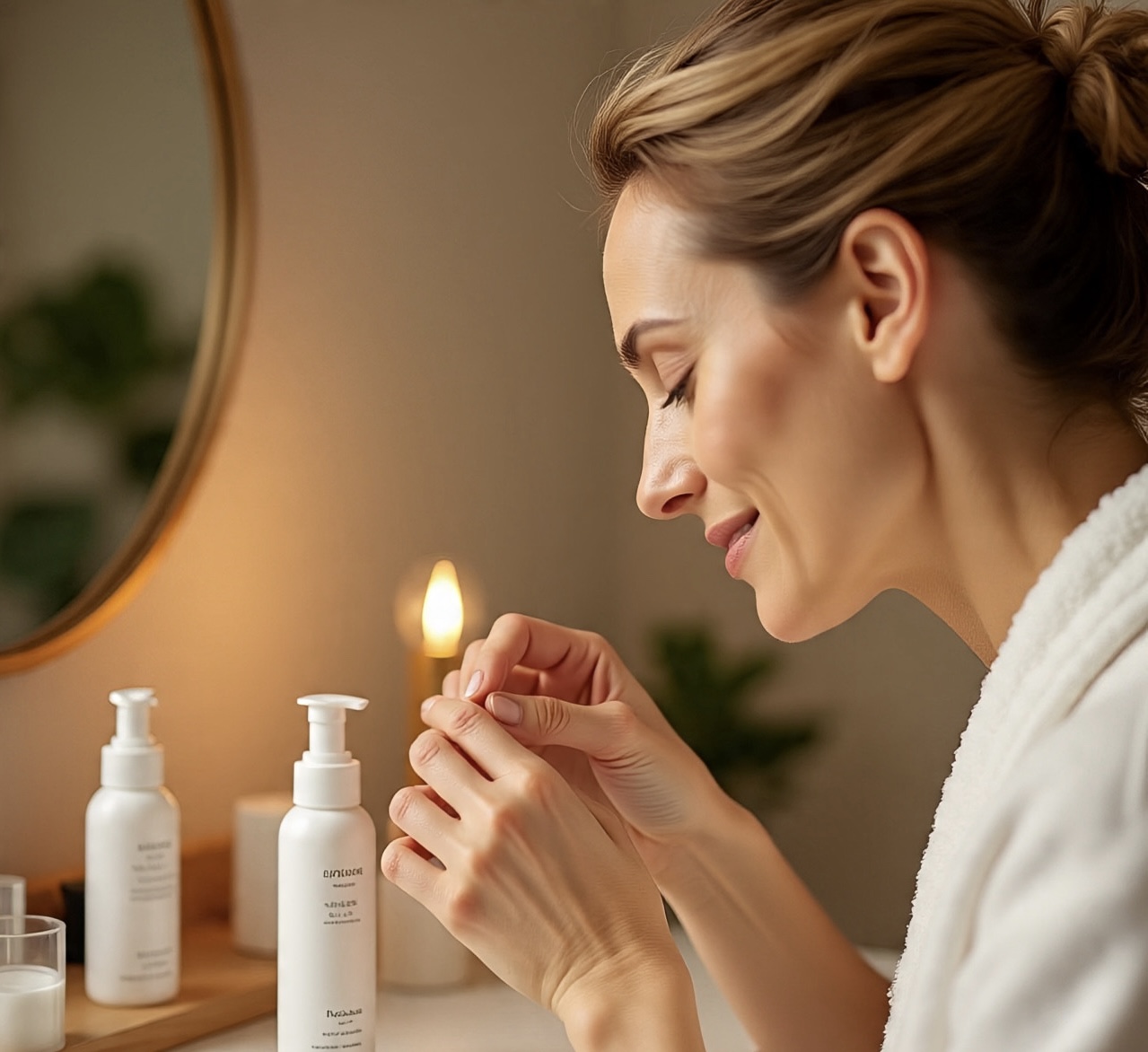
Skin Care Routine to Prevent Early Signs of Aging
Seeing the first fine lines can be a bit surprising. While aging is a natural part of life, you have a lot of control over how your skin looks and feels. Creating a consistent skin care routine is your best defense against premature aging. The market is filled with options, and finding the right products from a trusted facial product manufacturer is key. This guide will walk you through a simple yet effective routine to help you maintain a youthful, radiant complexion for years to come.
The Foundation: Your Morning Routine
How you start your day matters, and the same goes for your skin. A morning routine should focus on protection from the environmental stressors you’ll face throughout the day, like UV rays and pollution.
Step 1: Gentle Cleansing
Start your day by washing away any sweat, oil, and impurities that have built up overnight. It is important to use a gentle, hydrating cleanser. Harsh soaps can strip your skin of its natural oils, which are essential for keeping it plump and moisturized.
Look for cleansers with ingredients like glycerin or hyaluronic acid. These help to clean your skin without causing dryness. Massage the cleanser onto damp skin in circular motions, then rinse thoroughly with lukewarm water. Pat your face dry with a clean, soft towel. Avoid rubbing, which can irritate the skin.
Step 2: Antioxidant Serum
Antioxidants are your skin’s personal bodyguards. They work to neutralize free radicals, which are unstable molecules that damage skin cells and accelerate aging. A good antioxidant serum is a non-negotiable step in an anti-aging routine.
Vitamin C is one of the most powerful and well-researched antioxidants. It not only protects your skin but also helps to brighten your complexion and boost collagen production. Apply a few drops of a vitamin C serum to your dry face and neck after cleansing. Let it absorb fully before moving to the next step.
Step 3: Hydrating Moisturizer
Moisture is the key to supple, youthful skin. When your skin is dehydrated, fine lines and wrinkles become much more noticeable. A good moisturizer locks in hydration and supports your skin’s natural barrier.
Choose a moisturizer suited to your skin type. If you have oily skin, a lightweight, oil-free lotion or gel might be best. If you have dry skin, look for a richer cream. Ingredients like hyaluronic acid, ceramides, and peptides are excellent for providing hydration and supporting skin structure.
Step 4: Sunscreen, Always
If you only do one thing for your skin, let it be wearing sunscreen. Sun exposure is the number one cause of premature aging. UV rays break down collagen and elastin, the proteins that keep your skin firm and smooth. This leads to wrinkles, sagging, and dark spots.
Apply a broad-spectrum sunscreen with an SPF of 30 or higher every single morning, without exception. This includes cloudy days and days you spend mostly indoors, as UV rays can penetrate windows. Make it the final step of your morning routine to ensure you are fully protected.
The Restoration: Your Evening Routine
Your nighttime routine is all about repair and rejuvenation. While you sleep, your skin goes into a restorative mode. The right products can enhance this natural process, helping you wake up with healthier, more resilient skin.
Step 1: Double Cleanse
At the end of the day, a single cleanse may not be enough to remove all the makeup, sunscreen, dirt, and pollution from your skin. This is where double cleansing comes in. It’s a two-step process that ensures your skin is perfectly clean and ready to absorb your nighttime treatments.
Start with an oil-based cleanser or micellar water to dissolve makeup and sunscreen. Massage it onto dry skin and then rinse. Follow up with your regular gentle, water-based cleanser to wash away any remaining residue.
Step 2: Targeted Treatment with Retinoids
Retinoids are considered the gold standard in anti-aging. They are derivatives of vitamin A that speed up cell turnover, stimulate collagen production, and unclog pores. This helps to smooth fine lines, even out skin tone, and improve texture.
Retinol is a type of retinoid available over the counter. If you are new to retinoids, start slowly. Apply a pea-sized amount two or three nights a week to allow your skin to adjust. You can gradually increase the frequency as your skin builds tolerance. Always apply retinoids at night, as they can make your skin more sensitive to the sun.
Step 3: Eye Cream
The skin around your eyes is thinner and more delicate than the rest of your face, making it one of the first places to show signs of aging. An eye cream is specially formulated for this sensitive area.
Gently tap a small amount of eye cream around your orbital bone using your ring finger. Look for formulas with peptides to firm the skin, hyaluronic acid for hydration, or retinol to address fine lines.
Step 4: Night Cream
Finish your evening routine with a nourishing night cream. Night creams are typically richer than daytime moisturizers and are packed with ingredients that support the skin’s repair process. This final layer seals in all the products you’ve applied and provides deep hydration throughout the night. Your skin will thank you in the morning.