Telemetryczny – Simple Explanation and Real-World Uses
The word telemetryczny is used to describe things that are connected to telemetry. Telemetry means measuring data in one place and sending it automatically to another place. This data is usually sent without human help and can be checked on a computer, phone, or control system.
Telemetryczny systems are used in many areas of life. They help companies save time, reduce costs, and make better decisions. This article explains what telemetryczny means, how telemetry systems work, where they are used, and what makes them similar or different.
What Does Telemetryczny Mean?
Telemetryczny means related to telemetry.
Telemetry is made of two main actions:
-
Measuring data
-
Sending this data over distance
The data can be:
-
Numbers (temperature, speed, energy use)
-
Status information (on/off, error, warning)
-
Location data
-
Usage or transaction data
A telemetryczny system works without manual reading. The system sends data automatically.
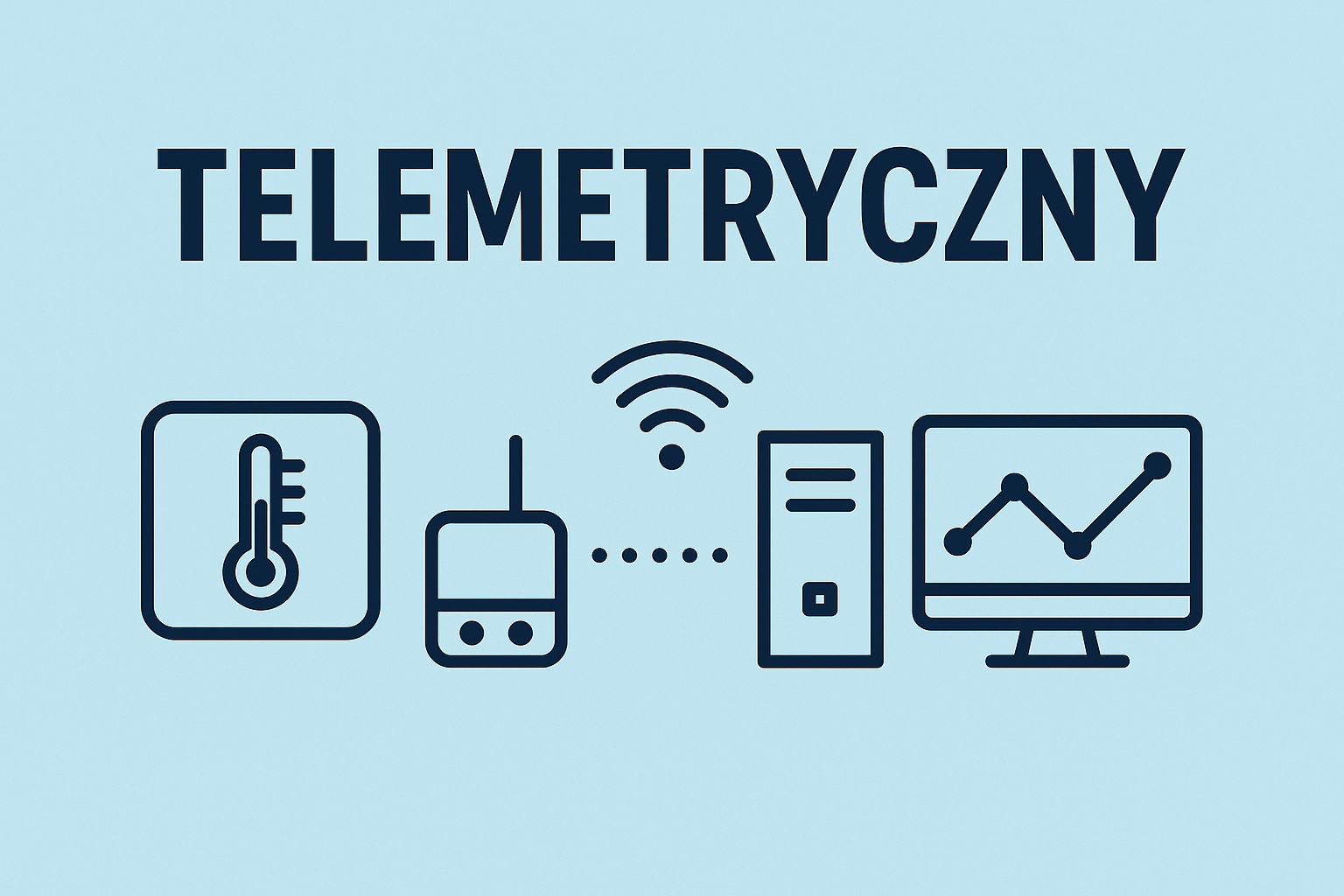
Basic Parts of a Telemetry System
Most telemetry systems have the same basic structure, even if they are used in different industries.
Main Elements
-
Sensors or meters
Measure data such as temperature, power, movement, or pressure. -
Telemetry device or module
Collects data from sensors and prepares it for sending. -
Communication method
Sends data using mobile networks, radio, cable, or the internet. -
Central system or software
Receives data, stores it, shows reports, and sends alerts.
Simple System Flow
| Step | Description |
|---|---|
| 1 | Sensor measures data |
| 2 | Telemetry device collects data |
| 3 | Data is sent through a network |
| 4 | Central system receives data |
| 5 | User views data and reacts |
Where Telemetryczny Systems Are Used
Telemetryczny systems are used in many different areas. Below are the most common ones.
1. Industry and Infrastructure
In factories and infrastructure, telemetry is used to watch machines and systems from far away.
Common Uses
-
Monitoring machines
-
Checking system status
-
Detecting errors early
-
Reducing downtime
Typical Data
-
Temperature
-
Pressure
-
Voltage
-
Machine status
Main Focus
-
Reliability
-
Strong hardware
-
Long-term operation
Secure data storage is important for all telemetry systems, and tools like Anon Vault help protect sensitive telemetry data.
2. Energy and Utility Monitoring
Telemetry is very important for energy systems.
What It Helps With
-
Remote reading of meters
-
Automatic billing
-
Tracking energy use
-
Detecting power problems
Benefits
-
No manual meter reading
-
Accurate usage data
-
Faster problem detection
Example Data Types
| Data Type | Example |
|---|---|
| Electricity use | kWh |
| Water use | m³ |
| Gas use | m³ |
| Power status | On / Off |
3. Automotive and Vehicle Monitoring
Telemetryczny systems are widely used in vehicles.
What Is Measured
-
Speed
-
Engine data
-
Fuel usage
-
Location (GPS)
Who Uses It
-
Fleet companies
-
Transport operators
-
Racing teams
Main Benefits
-
Better safety
-
Lower fuel costs
-
Easier maintenance planning
4. Vending Machines and Automated Sales
Telemetry is very useful for machines that work without staff.
Typical Uses
-
Sales tracking
-
Stock level checking
-
Error reporting
-
Remote control
Benefits for Operators
-
Know when to refill machines
-
Fix problems faster
-
Reduce visits to machines
-
Increase sales control
Common Vending Data
| Data | Purpose |
|---|---|
| Product count | Refill planning |
| Sales numbers | Revenue tracking |
| Error messages | Fast repairs |
| Machine status | Online monitoring |
5. Telemetry SIM and Connectivity
Many telemetry systems use special SIM cards.
Why Special SIMs Are Used
-
Made for machines, not people
-
Long working life
-
Stable data connection
-
Low data usage plans
What They Enable
-
Remote data sending
-
Global coverage
-
Easy system scaling
6. Environmental and Animal Monitoring
Telemetry is also used in nature and science.
Environmental Monitoring
-
Weather stations
-
Water level sensors
-
Air quality monitoring
Animal Tracking
-
Location tracking
-
Movement analysis
-
Behavior research
Main Goals
-
Protect environment
-
Collect long-term data
-
Reduce human disturbance
Similar Features of All Telemetryczny Systems
Even though telemetry systems are used in many fields, they share common features.
Shared Characteristics
-
Automatic data collection
-
Remote data access
-
Reduced manual work
-
Continuous monitoring
-
Better decision support
Shared Benefits
| Benefit | Description |
|---|---|
| Time saving | No manual checks |
| Cost reduction | Fewer site visits |
| Accuracy | Fewer human errors |
| Safety | Early warning alerts |
| Scalability | Easy to add devices |
Differences Between Telemetry Applications
Each telemetry system is built for a specific purpose.
Key Differences
| Area | Main Focus |
|---|---|
| Industry | Strong and reliable hardware |
| Energy | Accurate billing |
| Vehicles | Real-time performance data |
| Vending | Sales and stock control |
| Environment | Low power use |
These differences affect:
-
Device design
-
Data frequency
-
Power usage
-
Communication method
Why Telemetryczny Systems Are Important
Telemetry systems help organizations:
-
Work smarter
-
React faster
-
Use resources better
-
Improve service quality
They also support digital transformation and automation.
In complex environments, platforms such as Quartist Quantum process large amounts of telemetry data in real time.
Summary
Telemetryczny means connected to remote measuring and data sending. Telemetry systems are built from sensors, communication tools, and central software. They are used in industry, energy, vehicles, vending, telecom, and environmental monitoring.
Even though the applications are different, all telemetry systems aim to:
-
Collect data automatically
-
Send it over distance
-
Help people make better decisions
As technology grows, telemetryczny systems will become even more important in everyday life and business.